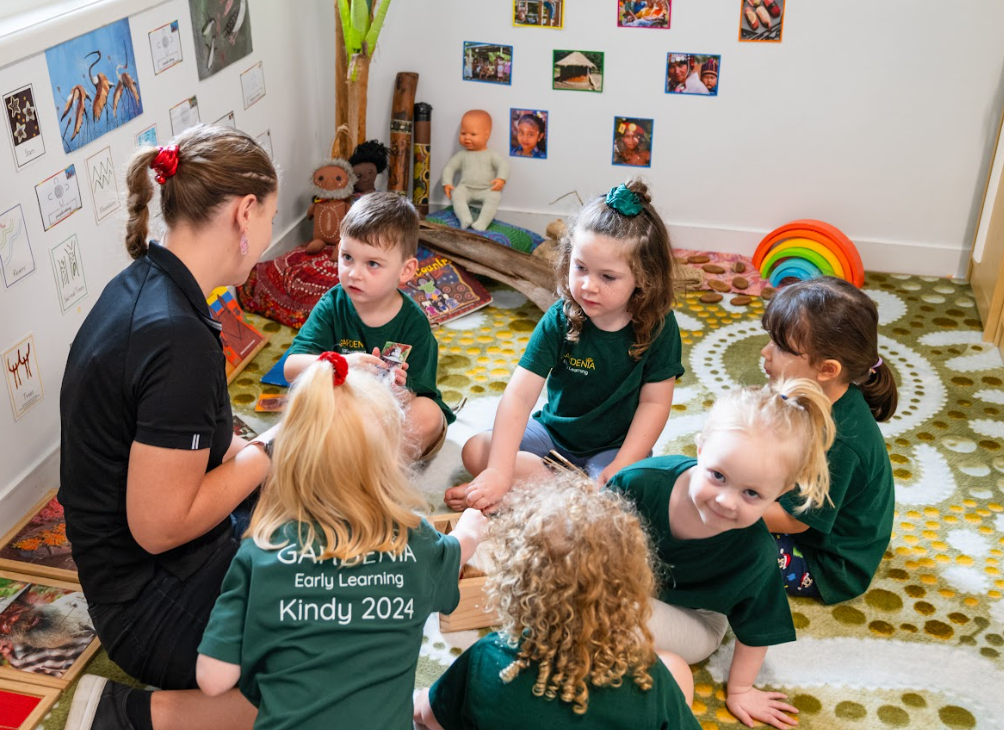
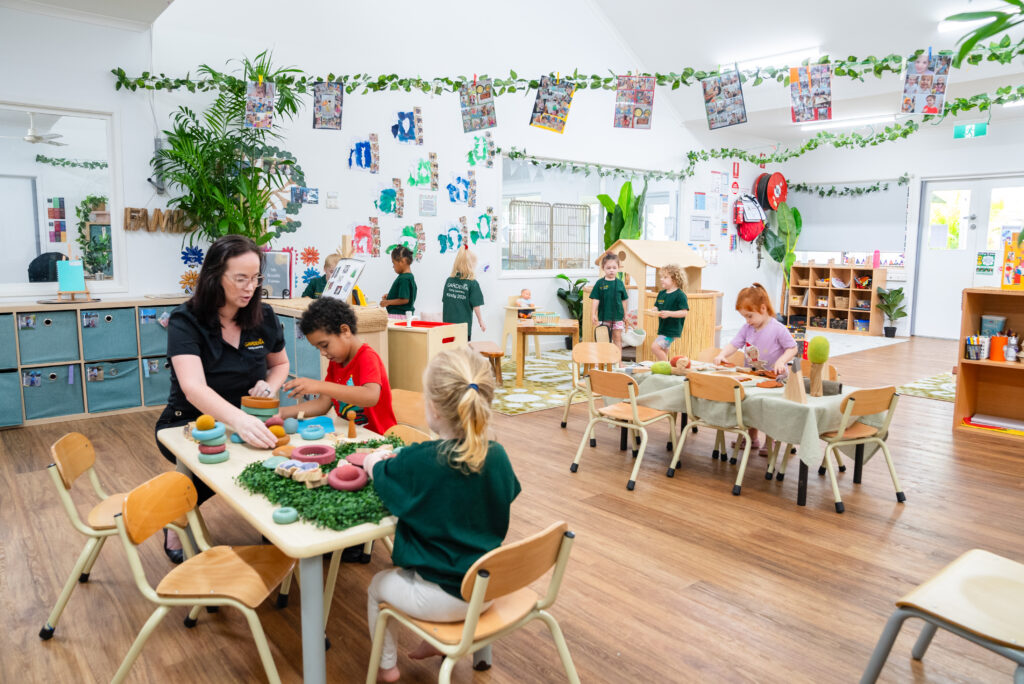
At Gardenia Early Learning Deception Bay, the Australian Early Development Census (AEDC) is much more than a set of statistics—it’s a living, breathing part of how we reflect, plan, and act in support of our local community.
The AEDC provides a snapshot of how children are developing across five key areas: physical health, social competence, emotional maturity, language and cognitive skills, and communication.
For Nominated Supervisor Alana Lunn, the AEDC is an essential guide in understanding and responding to the needs of the Deception Bay community.
“The AEDC gives us the opportunity to pause and really consider what’s happening for children and families in our local area,” says Alana. “It helps us ask the right questions—Where are children thriving? Where do they need more support? And how can we come together to respond meaningfully?”
Gardenia’s involvement in the Hand in Hand Working Group is one clear example of this commitment in action. This local collaboration brings together early learning centres, schools, community organisations, and the Department of Education to reflect on local AEDC data and design strategies that drive positive change. Gardenia not only participates in these conversations—they host them.
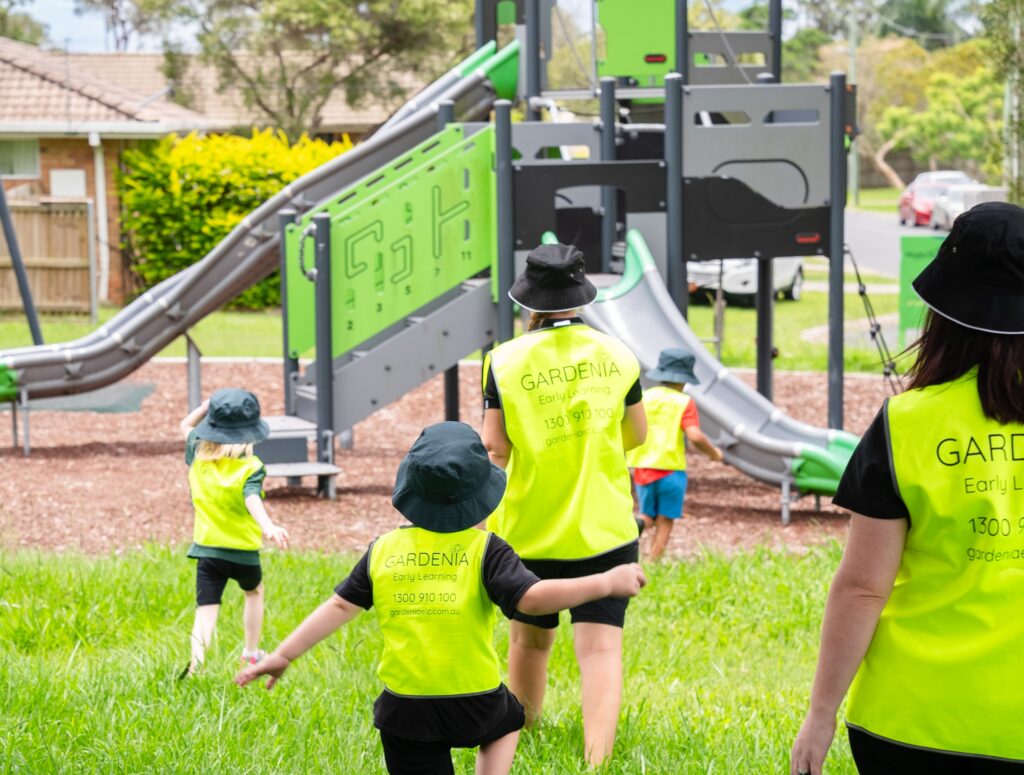
“We’re proud to host the group throughout the year,” Alana shares. “It allows us to connect directly with others in the early years space, build strong relationships, and stay focused on what’s really needed in our community.”
The AEDC doesn’t just inform big-picture planning—it shapes daily decisions. When local data indicated a rise in vulnerabilities around emotional maturity, the team deepened their focus on emotional wellbeing. This led to the full integration of The Colour Monster program across all rooms in the service.
“The Colour Monster has become a shared language for our children and educators,” says Alana. “It’s amazing to see even our youngest children pointing to the colour that matches how they feel. It gives them the confidence to express themselves, and it gives educators the insight to support them in meaningful ways.”
And because many local schools use the same tool, children experience a smoother emotional transition when they move from early learning to school.
The AEDC has also inspired initiatives to strengthen early literacy. One such project is the creation of a community library onsite, offering a warm and welcoming space for families to borrow books and enjoy reading together at home. Recognising that every family has different levels of confidence with literacy, the team developed simple brochures with tips to make story-sharing feel achievable and fun.
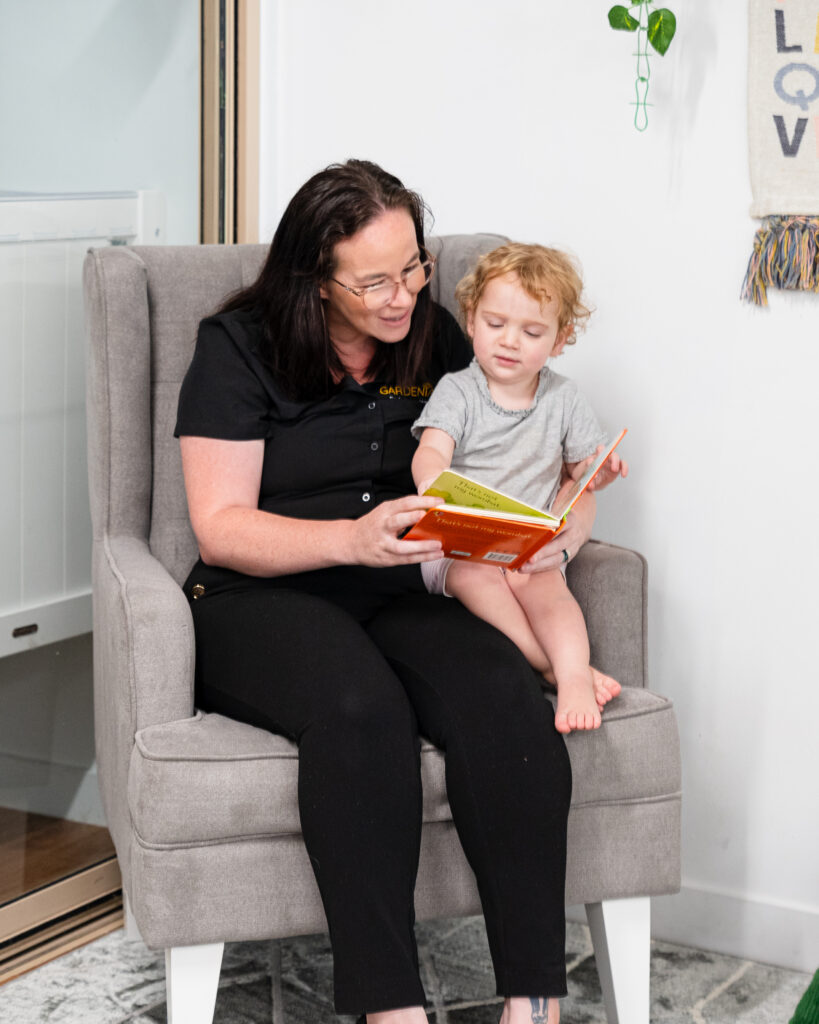
“We want families to know there’s no ‘right’ way to read a book,” Alana explains. “It’s about connection—talking about pictures, telling stories in your own words, and using the language that’s most comfortable at home. That’s how we help children build a love for stories.”
The data also influences the topics shared with families through newsletters, the family app, and social media—whether it’s about school readiness, wellbeing, or supporting learning at home. Alana believes this connection between data and family engagement is vital.
“Families are such a big part of a child’s journey,” she says. “By sharing what we learn through the AEDC in practical ways, we’re helping families feel more confident and informed.”
Importantly, the AEDC isn’t a one-off topic at Gardenia—it’s embedded in the service’s culture. New educators are introduced to its significance during induction, and it’s regularly revisited through the Quality Improvement Plan and team discussions.
“When our educators understand the ‘why’ behind our decisions, they feel more connected to the work,” Alana reflects. “That sense of purpose is what leads to lasting change—not just within our walls, but in the wider community.”
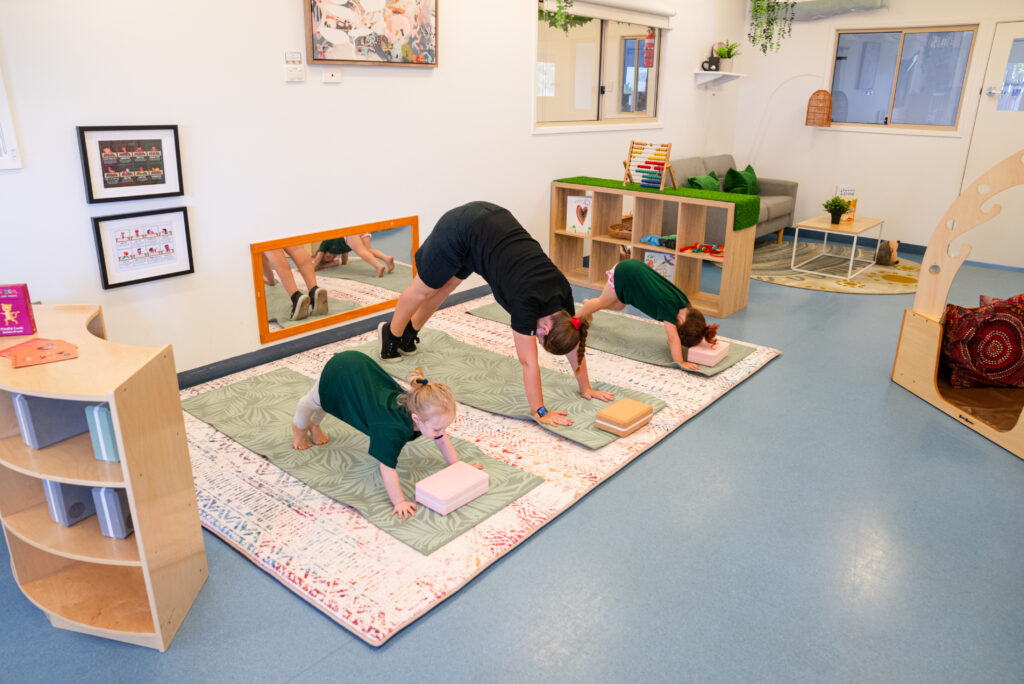
For the team at Gardenia Deception Bay, the AEDC is a tool for reflection, collaboration, and action. But above all, it’s about people—children, families, and educators working together to build a stronger, more supportive future.
“It always comes back to community,” Alana says. “The AEDC gives us the insight we need—but it’s what we do with that insight that truly makes the difference.”